
Therapy Services
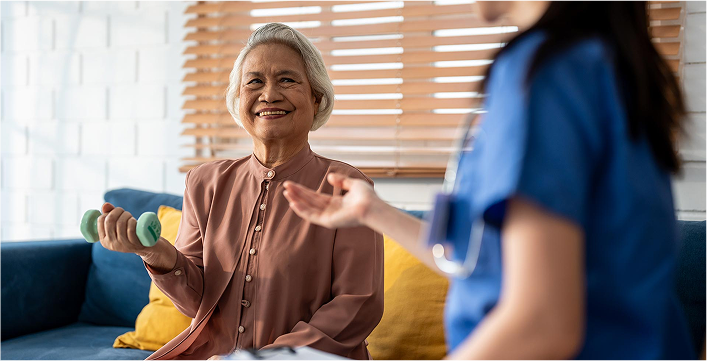
Physical Therapy
At Munas Heart Nursing, our IV Infusion Therapists provide safe, reliable, and professional in-home IV therapy tailored to your loved one’s medical needs. We focus on restoring hydration, improving energy levels, and delivering essential nutrients or medications directly into the bloodstream for fast and effective results.
From hydration therapy and vitamin infusions to medication administration and chronic condition support—our goal is to ensure comfort, stability, and optimal health in the most convenient environment: home.
For patients with special medical requirements, our licensed nurses follow strict clinical protocols, monitor vital signs, manage infusion equipment, and ensure every IV session is delivered with the highest level of care, safety, and compassion.
At Muna’s Heart Nursing, our IV Infusion team is committed to delivering safe, effective, and personalized infusion care supporting each patient’s health, comfort, and overall well-being.
Our IV Infusion Care Includes:
Comprehensive assessment of hydration levels and medical infusion needs
Patient and caregiver education on IV therapy procedures and safety
Monitoring of vital signs before, during, and after infusions
Safe administration of medications, vitamins, and hydration fluids
Customized IV plans based on health goals and medical conditions
Support for chronic illness management through physician-prescribed infusions
Infection-prevention practices and catheter site care
Management of IV equipment, tubing, and supplies
Ongoing evaluation to ensure treatment effectiveness and comfort
Coordination with physicians for dosage adjustments and follow-up care
Assistance with managing side effects and ensuring infusion tolerance
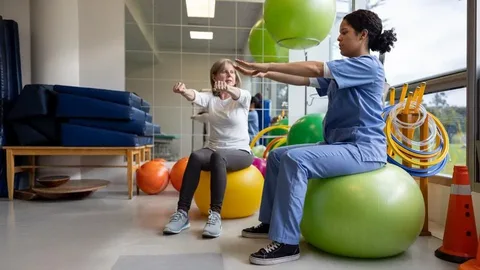
Occupational Therapy
At Muna’s Heart Nursing, our Occupational Therapy services are designed to help patients achieve greater independence in their daily lives. By focusing on fine motor skills, visual-motor coordination, sensory processing, and self-help abilities, we support children and adults in reaching their fullest potential.
Our therapists work on essential skills such as grasping objects, feeding with utensils, buttoning clothes, zipping jackets, cutting with scissors, writing, drawing, and managing sensory processing challenges.
For children, therapy may also include practicing everyday activities like getting dressed, brushing teeth, playing with peers, developing hand-eye coordination, handwriting, and learning healthy ways to manage emotions such as anger and frustration.
Our Services Include:
Self-Help Skills: Feeding, toileting, and dressing
Activities of Daily Living (ADL) Assessment
Adaptive Equipment Assessment & Training
Fine Motor Skills & Handwriting Development
Visual–Motor & Visual Perceptual Skills
Sensory Motor & Sensory Integration
Motor Planning & Coordination
Splinting, Joint Mobility & Casting
Developmental & Play Skills
Adaptive Equipment Recommendations
Wheelchair Positioning & Prescription
Environmental Modification & Accessibility
Spasticity Management
Therapeutic Positioning
Neuro-Reeducation
Restorative & Maintenance Program Prescription
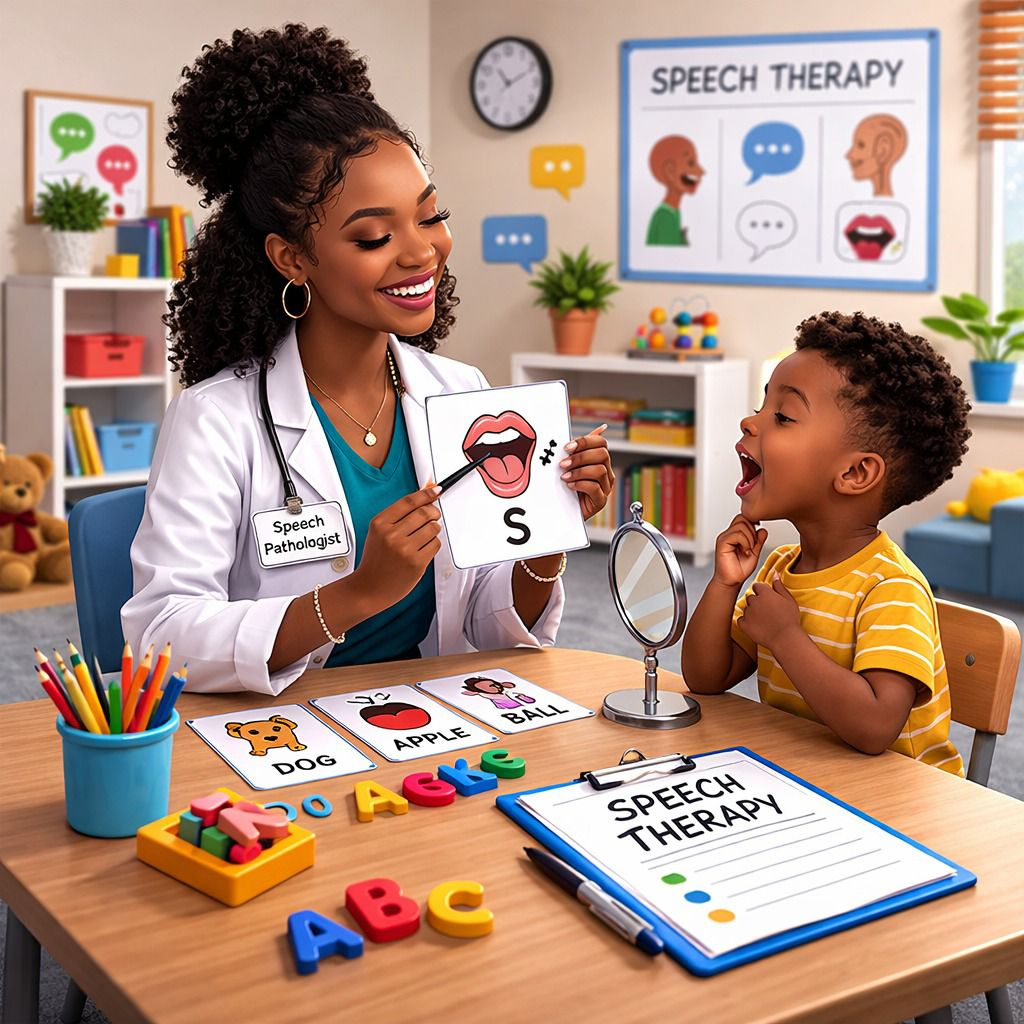
Speech-Language Pathology Services
At Munas Heart Nursing, our Speech-Language Pathology program is dedicated to helping patients improve their ability to communicate, eat, and swallow safely and effectively. Our goal is to maximize independence while also educating patients and caregivers about speech, language, and swallowing disorders—and the best treatment approaches to support progress.
Our Services Include:
Language Evaluation & Training – Supporting comprehension, expression, and communication skills
Swallowing Evaluation & Therapy – Improving safety and comfort with eating and drinking
Speech Disorder Therapy – Addressing articulation, clarity, and sound production
Language Disorder Therapy – Helping patients develop or regain functional language skills
Feeding & Oral-Motor Therapy – Supporting picky eaters, swallowing disorders, and oral strength
Voice Therapy – Restoring healthy voice function and quality
Fluency Therapy – Supporting patients with stuttering or rhythm disorders
Cognitive-Communication Therapy – Addressing attention, memory, problem-solving, and communication challenges, including those related to Traumatic Brain Injury (TBI)
Aural Rehabilitation – Supporting patients with hearing loss or cochlear implants
Augmentative & Alternative Communication (AAC) Devices – Training patients and caregivers to use communication devices effectively
Play-Based Therapy & Social Skills Training – Engaging children in interactive, functional ways to build communication confidence
Answers to Your
Common Questions
What types of services do you offer?
Absolutely. Before starting care, our Care Director will meet with you and your family to conduct a detailed assessment. We’ll review your health needs, home environment, and personal preferences to recommend the right type of care, the right level of support, and the right caregiver for you.
How soon can care begin?
Once we complete your needs assessment, our Registered Nurse will create a personalized care plan. We will then introduce you to qualified caregivers that match your needs. If everything is approved, care can begin almost immediately.
What qualifications does Munas Heart Nursing have?
We are licensed by the State of Maryland as a Residential Service Agency under the Department of Health and Mental Hygiene. Our agency is bonded and insured, and our Director of Nursing brings years of hands-on experience to ensure the highest standards of care.
How are your caregivers selected?
Each caregiver goes through a rigorous screening process that includes in-person interviews, reference checks, and criminal background checks. All caregivers are licensed by the state as Certified Nursing Assistants (CNA) or Geriatric Nursing Assistants (GNA). They also maintain current health clearances and CPR certification.
Can I choose my caregiver?
Yes! We strongly encourage your involvement in the caregiver selection process. We introduce you to potential caregivers and help you find the best match for your personality, preferences, and care needs — because comfort and trust are essential to great care.